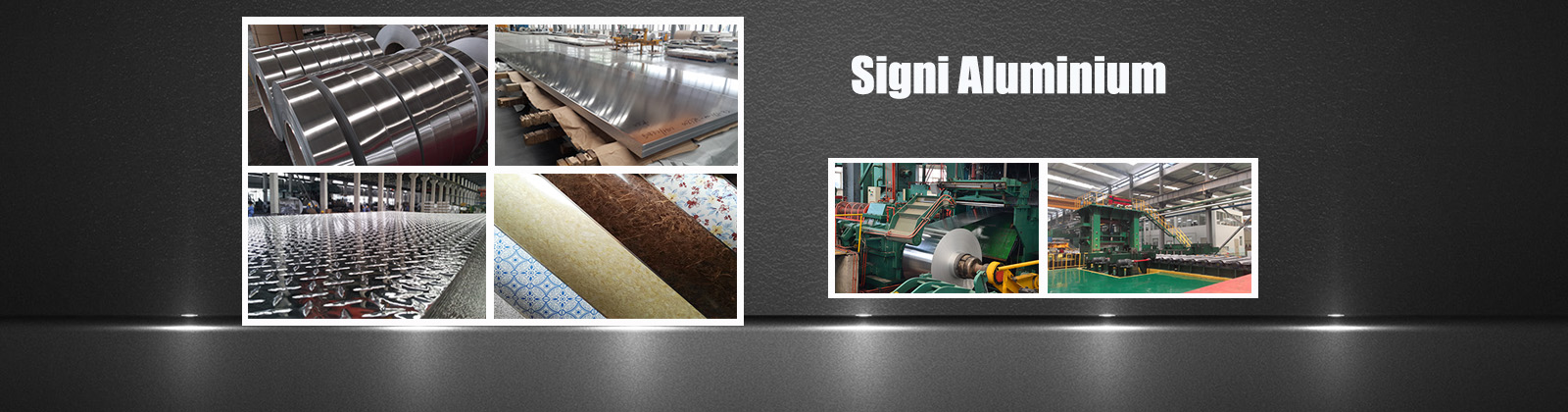
Buyers searching aluminum tread plate, aluminum checker plate and aluminum diamond plate are looking for one product: sheet with a raised bar pattern rolled into the surface for grip. The supplier's tread plate listing (full-range site) publishes the range in 1000, 3000, 5000 and 6000 series alloys, with 2-bar, 3-bar and 5-bar patterns.
Tread plate specifications (supplier's listing)
| Alloy series | 1000 / 3000 / 5000 / 6000 series |
|---|---|
| Patterns | 2 bar, 3 bar, 5 bar |
| Thickness — mill finish | 1.00–6.50 mm |
| Thickness — bright finish | 1.20–6.50 mm |
| Also listed as | Checker plate, diamond plate, tread plate (same product) |
The pattern choice is functional before it is decorative. Five-bar gives the deepest grip pattern of the three and is the default for flooring, ramps, stair treads and vehicle decks; two-bar and three-bar sit flatter and are used where the sheet is also a visible surface, such as toolboxes, kick plates and trim. The bright finish version starts thicker (1.20 mm) than the mill finish version (1.00 mm) on the listing, which matters for thin-gauge orders — check the finish before fixing the thickness in your specification.
Tread plate orders in this catalogue are quoted per alloy, pattern and size; no range-wide minimum is published for this family. If the sheet will be bent after delivery, say so in the enquiry: pattern orientation and alloy temper both affect how a tread sheet behaves on a brake press, and the quotation stage is where that gets settled.
Tread plate in use
The published tread range is a sheet product, and its applications follow from the listing's alloy spread. In 1xxx and 3xxx alloys it is the general-purpose flooring and trim sheet — loading docks, stair treads, vehicle steps, toolbox lids. In 5xxx it moves toward marine and transport duty where corrosion exposure is higher, and the 6xxx entries serve structural trim. Because the same pattern is rolled across all four series, the alloy choice should be made on environment and forming, not on the pattern: the pattern is constant, the metal underneath it is the decision.
One more ordering detail from the listing structure: tread plate is published in both mill finish and bright finish with different starting thicknesses (1.00 mm and 1.20 mm). Bright finish tread is a decorative product as much as a grip product — it is specified for visible vehicle and architectural trim — so if the sheet will be seen, ask for the bright finish figures; if it will be walked on and weathered, the mill finish range is the relevant one.
Samples matter for this family more than most: pattern height and bright finish appearance are hard to judge from a listing. Ask for a sample piece in the alloy and pattern you are considering before committing a flooring programme to it — finish-critical and grip-critical orders are exactly the ones samples exist for.
Is checker plate the same as tread plate?
Yes. Checker plate and diamond plate are regional names for the same raised-bar tread plate; one specification covers all three names.
Which pattern is best for flooring?
Five-bar is the standard flooring choice in this range for grip; two-bar and three-bar are flatter and suit visible trim and lighter-duty surfaces.
What alloys is tread plate listed in?
The listing covers 1000, 3000, 5000 and 6000 series alloys. Name the series you need — corrosion exposure usually drives the choice.
Get a written quotation
Send the alloy, temper, thickness, width and quantity you need. Quotations state the applicable minimum order and lead time for that exact specification.
Request a quotation for this product